Auxiliary equipment & integrated systems
e-mail [email protected] Language EN ES

Equipment

Vertical Mixer Machine

Vertical screw batch mixer for large-capacity blending, batch homogenization, and color mixing of plastic pellets, regrind flakes, and granular masterbatches.

  • Mixing and Homogenizing Equipment
  • Pelletizing Equipment and Auxiliaries
  • Mixing
  • Post-Pellet Treatment
  • ABS
  • ACS
  • HDPE
  • LDPE
  • Modified Plastics
  • Multifunctional Masterbatch
  • PA66
  • PB
  • PBT
  • PC
  • PE(Polyethylene)
  • PET
  • PP(Polypropylene)
  • PS
  • PVC
  • Recycled plastics
  • Resin
  • Pellets
  • Regrind
  • Batch-to-batch variation
  • Uneven additive distribution
Plastic vertical silo mixer machine
Capacity range
1–20 Ton/Batch
Models
NC-500 · NC-1000 · NC-2000 · NC-3000 · NC-5000 · NC-6000 · NC-8000 · NC-10000
Rated power
4–18.5 kW
Basis for the capacity figures
Flakes/ pellets

Reference values for the model or models named above. The confirmed configuration, the capacity basis and the scope of supply are stated in the quotation and the drawings.

Overview

What this machine does

Provides large-capacity batch blending, color homogenization, and lot mixing for plastic pellets, regrind flakes, and granular masterbatches.

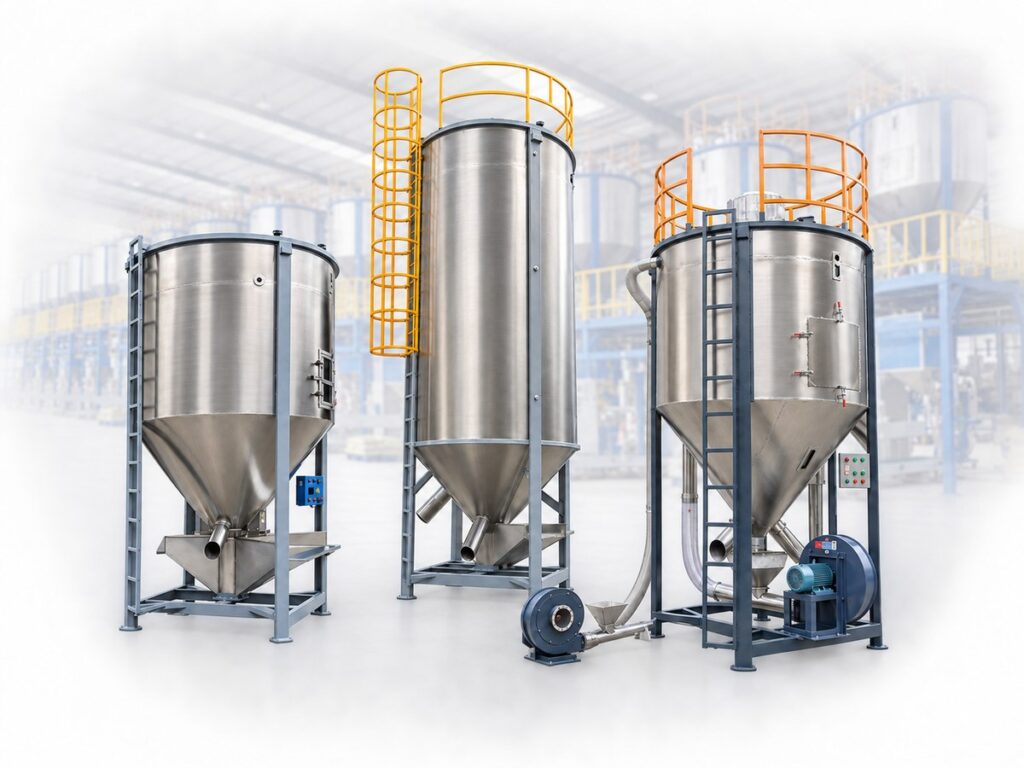
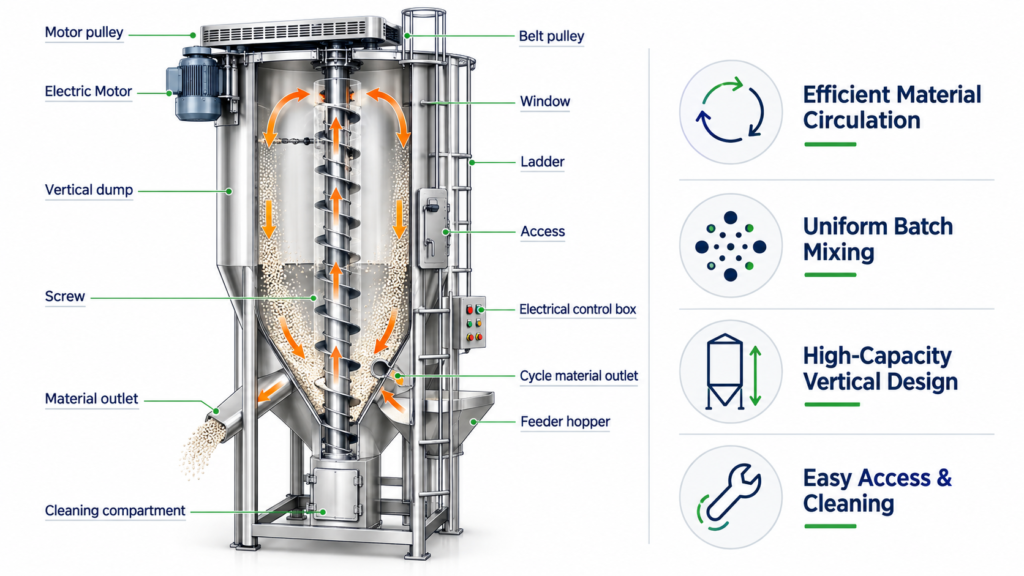
The Vertical Mixer Machine (vertical screw batch blender) delivers cost-effective, large-capacity batch blending and homogenization for polymer pellets, recycled regrind flakes, masterbatches, and granular compounds. Designed around a vertical center screw operating inside a conical-bottom silo tank, it rapidly elevates material from the bottom sump to the top spreader umbrella, continuously showering particles downward in a massive cascading circulation pattern to achieve comprehensive volumetric batch uniformity.

Occupying a compact floor footprint while utilizing vertical plant headroom, the vertical batch mixer is the standard industry choice for raw material pre-blending, large-lot color blending, recycled material homogenization, and final compound blending prior to bulk packaging or silo storage. Its gentle tumbling action preserves granule geometry without creating dust or shearing pellets, making it ideal for standard rigid thermoplastics including PP, PE, HDPE, LDPE, ABS, PS, PC, and PET.

Key features

The parts that do the work

Each picture names one part of the machine and what it does for the material and the batch.

Central High-Volume Vertical Elevator Screw

Precision-machined continuous flight vertical screw rotating inside an internal draft tube. Rapidly lifts bottom material upward to create continuous top-to-bottom circulation, turning over a multi-ton batch within 10 to 15 minutes with exceptionally low motor power consumption.
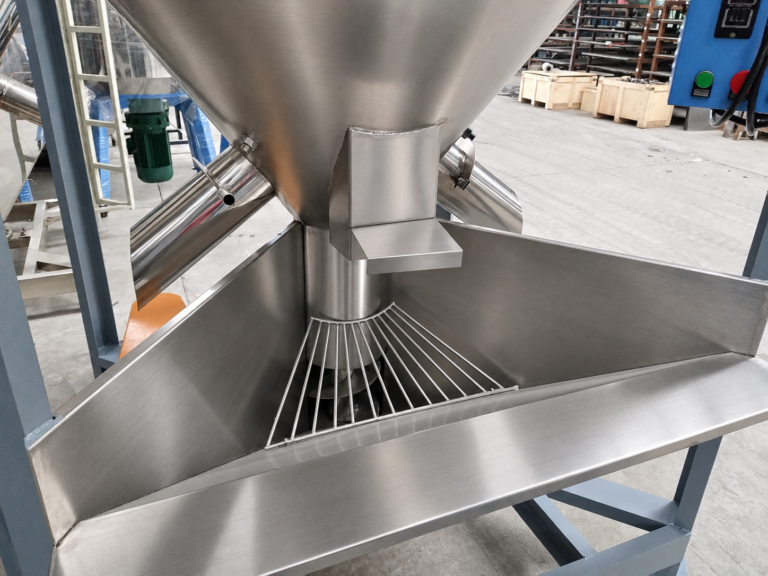
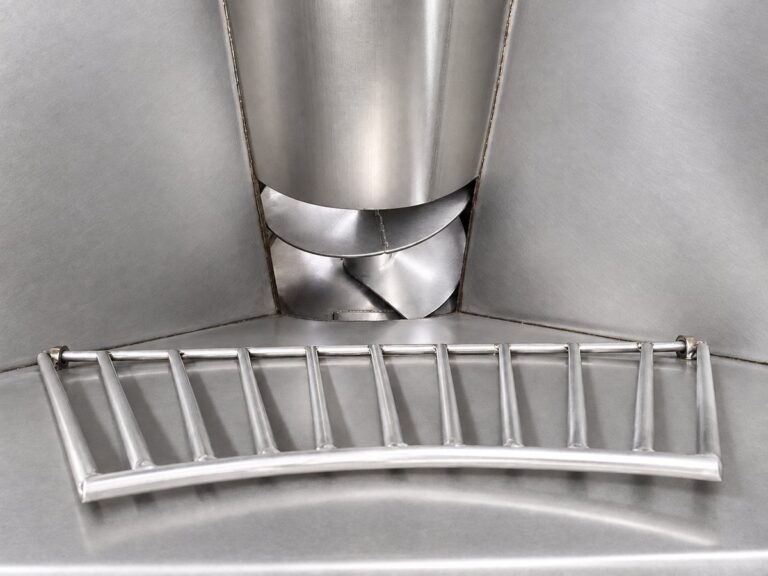
Silo Infeed Port & Dump Hopper

Ergonomically engineered charging port located at floor level with an integrated safety protective grid and a flanged top inlet. Facilitates easy manual dumping of 25 kg bagged raw materials and masterbatches, while seamlessly interfacing with upstream vacuum loaders, screw conveyors, or pneumatic conveying pipelines for dust-tight automated charging.

Steep-Angle Conical Gravity Bottom Sump

Fabricated from heavy-gauge stainless steel with steep cone angles (60° or greater) to prevent material bridging and ratholing. Ensures smooth gravity flow of pellets back into the bottom screw intake sump for continuous re-circulation.

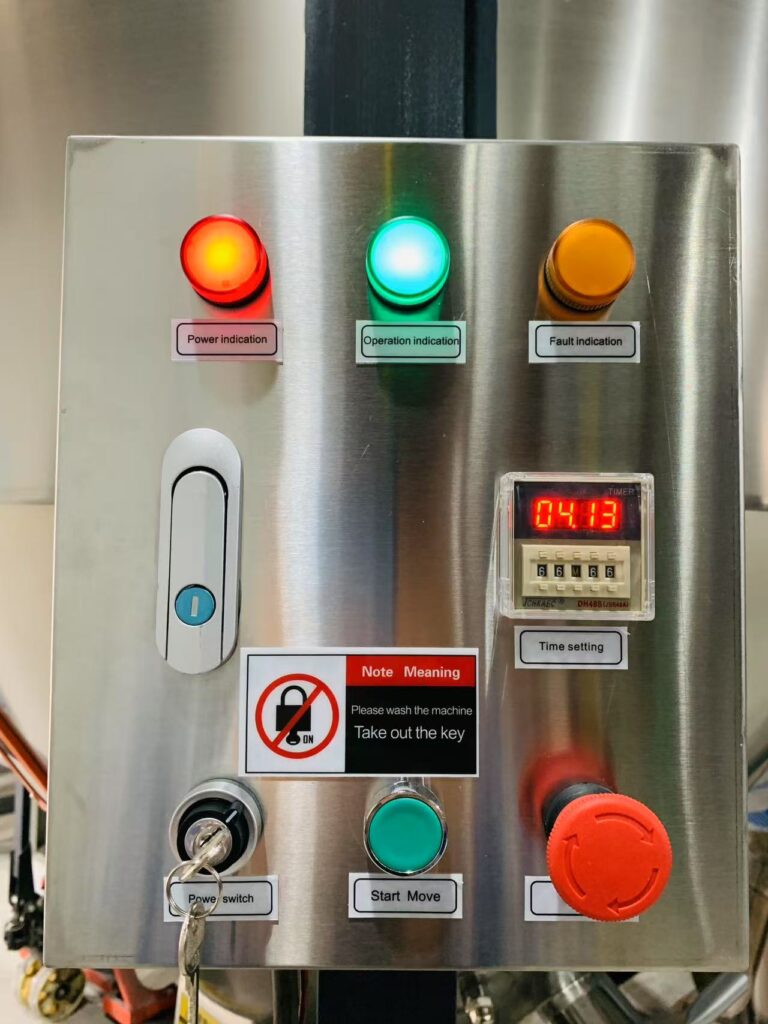
Operator Control Panel: E-Stop / Start / Mixing Timer

Integrated dust-tight IP54 operator control panel equipped with an illuminated Start/Stop push button station, high-visibility twist-to-release Emergency Stop button, and an adjustable digital batch mixing timer (0–99 min/hr). Features automated motor shutdown upon cycle completion and built-in thermal overload and phase-loss electrical protection.

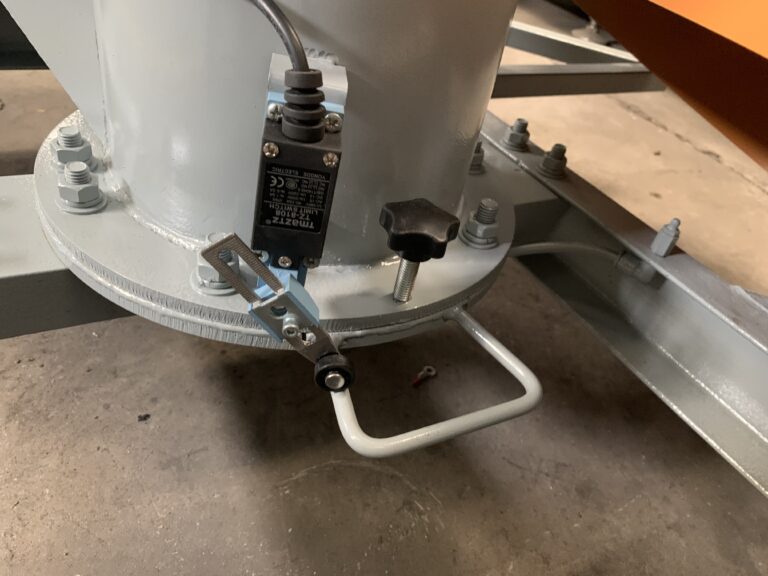
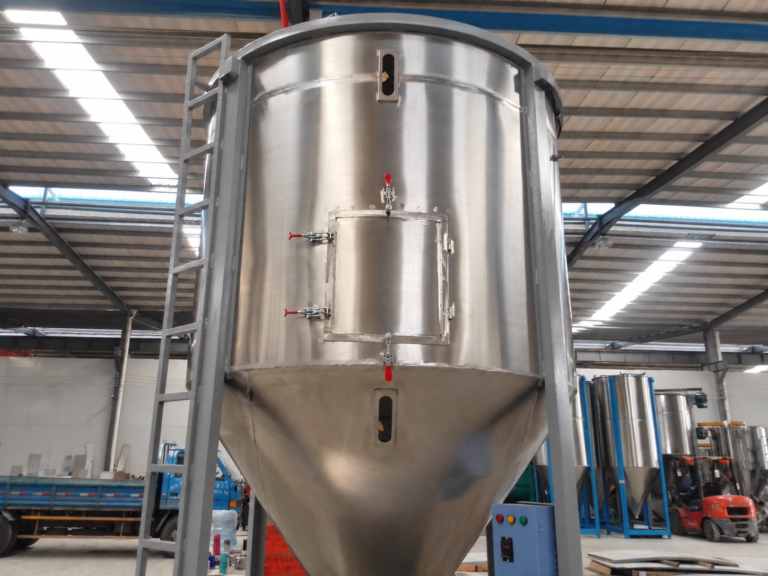
Safety-Interlocked Cleaning Doors & Sight Glasses

Dual inspection ports: an ergonomic floor-level side cleaning door and a top cover hatch, both protected by safety interlock limit switches that instantly stop the motor when opened during operation.

Material and process

Where it fits — and where it does not

Read the conditions together: a machine is selected for the material and the output, not from its name alone.

Suitable materials and conditions

Optimized for free-flowing rigid thermoplastic pellets (virgin polymers and compounding granules), color masterbatch pre-mixing, recycled regrind flakes, and pelletized rubber/mineral masterbatches. Compatible with common industrial plastics including PP, PE, HDPE, LDPE, ABS, PS, PC, PET, and PA.

Particularly suited for large-lot batch homogenization (e.g., blending multiple production runs to eliminate color or MFI batch-to-batch variations) and pre-blending virgin resin with masterbatch or regrind prior to extrusion or molding. Standard batch capacities range from 500 kg to 10,000 kg per batch.

Limitations and when it does not apply

Designed for high-volume pellet-to-pellet and pellet-to-regrind blending. Operating limitations include:

  • Soft polymers & elastomers (TPE, TPU, soft PVC, EVA): Screw rotation friction causes thermal softening and smear; recommend horizontal ribbon or paddle blenders.
  • High-ratio micro-powders (>10%–15% CaCO3, talc, silica): Without pellets, fine powders aerate or dead-pack along the cone; requires ribbon or high-shear mixers.
  • Sticky liquid additions (>0.5%–1%): Excess oils or plasticizers cause agglomeration and build-up on the vertical screw tube.
  • Micro-dispersion limit: Convective batch blending only; does not provide intensive high-shear pigment deagglomeration (completed during extrusion).

Feed condition and requirements

Engineered for free-flowing rigid thermoplastic pellets (virgin granules, masterbatch, compounding pellets) and dry regrind flakes with bulk densities between 0.35 kg/L and 1.1 kg/L. Materials must be dry, non-tacky, and free from cohesive fines or pasty moisture.

Input streams must be free of stringy scrap, unchopped purgings, or oversized foreign lumps that could jam between the vertical screw flights and the internal guide tube. Metallic tramp debris must be intercepted via upstream magnetic separators.

Output condition and boundaries

Yields a uniformly homogenized, dust-free batch with consistent pellet and color distribution from the first kilogram to the last. Preserves virgin pellet surface appearance without friction shearing or granule degradation.

Discharges by gravity via the conical bottom valve directly into packaging bags, bulk container boxes (Gaylord boxes), pneumatic conveying transfer hoppers, or secondary storage holding silos within 3 to 10 minutes depending on valve configuration.

Throughput

Capacity range

Read a figure together with the basis below it: the same machine reaches different numbers on different materials.

1–20 Ton/Batch

Basis for the capacity figures

Capacity ratings denote typical batch mass (nominal 500 kg up to 10,000 kg per batch) based on standard free-flowing rigid thermoplastic pellets with a bulk density of approximately 0.55–0.65 kg/L (such as PP, PE, or ABS). Total tank volume is engineered with adequate freeboard space (typically 15%–25%) above the working fill level to allow unrestrained outward parabolic material dispersal from the top distribution umbrella.

Models

Models in this range

The figures are the reference values entered for each model. The model for your line is confirmed against your material and output before it is quoted.

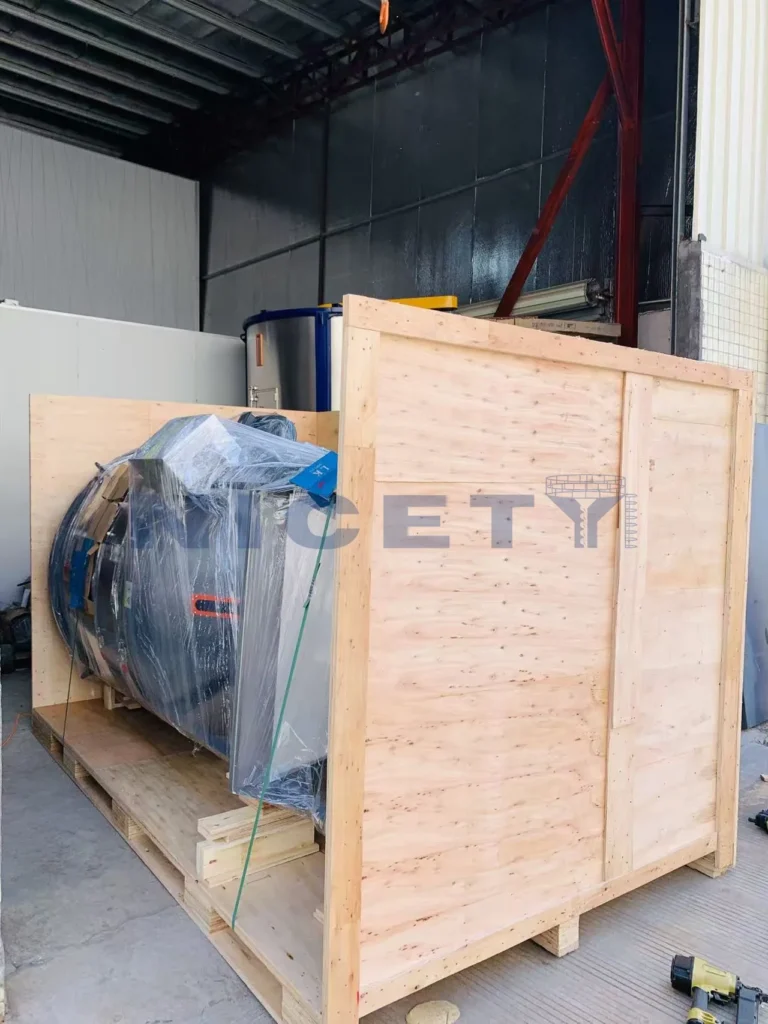
Vertical silo mixer packaged in heavy-duty wooden crate for export LCL shipping

Robust Export Wooden Crate Packaging for LCL Shipment

For export orders shipped via LCL (less-than-container load), our small-to-medium vertical mixers are fully wrapped in moisture-barrier PE protective film and secured inside a customized, heavy-duty fumigation-free solid plywood crate. Reinforced internal bracing and tie-downs lock the mixer body and drive components firmly in position, protecting the machine from vibration, shifting, and accidental side impacts throughout long-distance multi-modal ocean and overland transit.

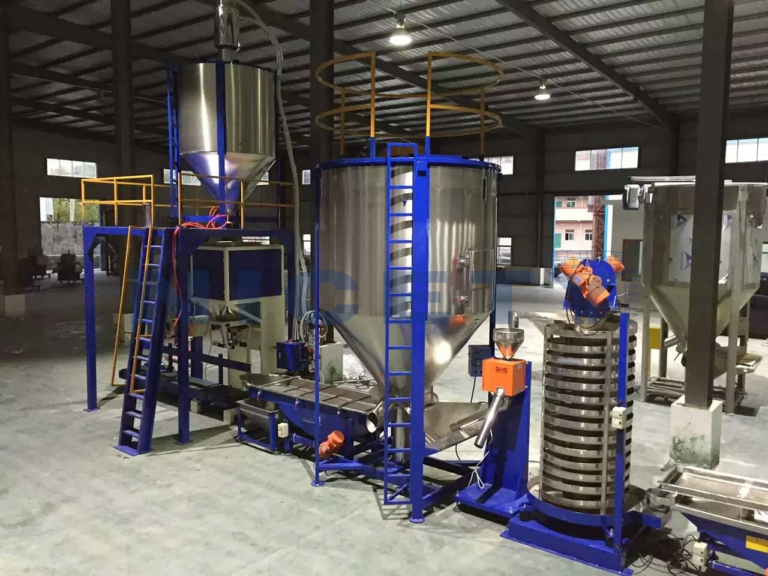
Turnkey downstream compounding auxiliary line delivered for ABS compounding in Thailand, featuring vertical batch mixer, vibrating spiral elevator, vibrating classifier, and bagging station.

Auxiliary Compounding System for ABS Production Line · Thailand

Delivered a complete downstream auxiliary package for an ABS engineering plastics compounding plant in Thailand. In addition to the large-capacity vertical silo mixer, the delivery integrated a pelletizer, a vibrating spiral cooling elevator, a linear classifying sieve, and an automatic weighing and packaging station, demonstrating our proven turnkey engineering capability for demanding resin compounding lines.

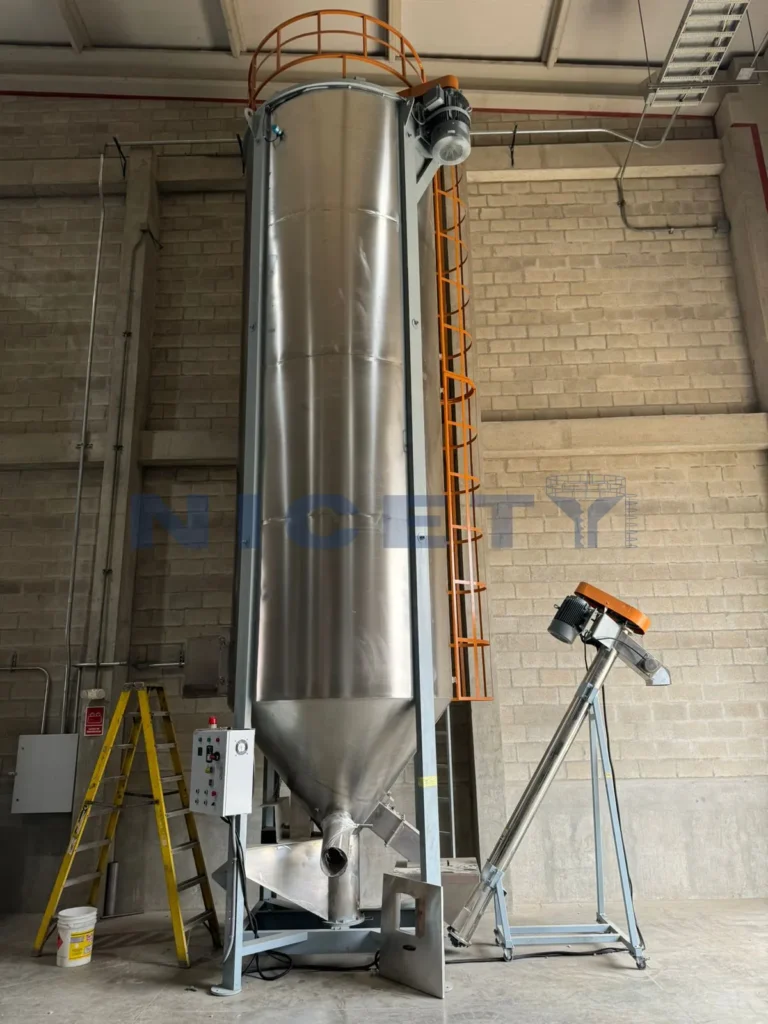
10-ton large-capacity vertical silo batch mixer delivered to a post-consumer plastics recycling plant in Chile for regrind flake homogenization.

10-Ton Large-Capacity Vertical Silo Mixer for Plastics Recycling · Chile

Engineered and delivered a customized 10-ton extra-large vertical silo mixer for a post-consumer plastics recycling facility in Chile, South America. Configured specifically for washed regrind flakes, the massive batch blending cycle thoroughly homogenizes incoming bulk materials to eliminate melt index and color deviations across production lots, proving our capability to deliver tailored large-scale mixing solutions for demanding recycling plants.

Scroll the table sideways to read every column →

Model Capacity range Rated power Dimensions Volume Heating power (optional)
NC-500 0.5 Ton/Batch 4 kW Ø1200 × 2650 mm 1000 L 15Kw
NC-1000 1 Ton/Batch 4 kW Ø1500 × 2800 mm 2000 L 20Kw
NC-2000 2 Ton/Batch 5.5 kW Ø1800 × 3250 mm 4000 L 20Kw
NC-3000 3 Ton/Batch 7.55 kW Ø2000 × 3750 mm 6000 L 30Kw
NC-5000 5 Ton/Batch 11 kW Ø2400 × 4200 mm 10000 L 40Kw
NC-6000 6 Ton/Batch 11 kW Ø2500 × 4500 mm 12000 L 50Kw
NC-8000 8 Ton/Batch 15 kW Ø2750 × 5100 mm 16000 L 60Kw
NC-10000 10 Ton/Batch 18.5 kW Ø3000 × 5350 mm 20000 L 70Kw

Scope of supply

What is included, and what is not

The quotation states the scope for the confirmed configuration; the groups below describe how a supply is normally split.

Included as standard

  • Heavy-duty vertical elevator screw and internal draft tube Engineered with continuous high-pitch flighting, dynamic balance tested, mounted inside a centered guide tube for high-velocity material turnover.
  • SUS304 stainless steel product contact tank and cone Interior mixing chamber, bottom conical hopper, and top cover fabricated from stainless steel with polished interior welds to prevent cross-batch retention.
  • Rotating top 360-degree dispersal umbrella Mounted on the top screw shaft end, distributing ascending granules evenly across the entire tank diameter.
  • Base drive gear motor or heavy-duty V-belt transmission High-torque industrial electric motor mounted on an adjustable motor base with protective safety guards.
  • Safety-interlocked bottom cleaning door and top inspection hatch Allows ergonomic cleanout from floor level; fitted with safety limit switches interlocked directly to motor control.
  • Control cabinet with cycle timer and overload protection IP54 electrical cabinet with main isolator, thermal overload relay, Run/Stop pushbuttons, emergency stop, and digital batch mixing timer.

Optional items

  • Product contact material metallurgy SUS201, SUS304, or SUS316L stainless steel for barrel and screw; heavy-gauge carbon steel structure with epoxy exterior coating.
  • Integrated hot-air drying / preheating module Adds high-pressure blower and electric heating elements blowing heated air through the bottom cone to dry surface moisture while mixing.
  • Automatic pneumatic discharge gate Replaces standard manual slide flap with a pneumatic cylinder gate interlocked to line PLC or packaging scale.
  • Integrated batch weighing frame High-precision load cell weight modules installed under the three or four mixer support legs with digital batch weight summing controller.
  • Upper bag-dump station with dust hood Integrated manual charging station at floor level with screw elevator, or top-mounted dust collector bag filter unit.
  • Forced feeding inlet port Dedicated side charging port with motorized screw force feeder or pneumatic conveying intake flange for light flakes, regrind, and continuous upstream feed.
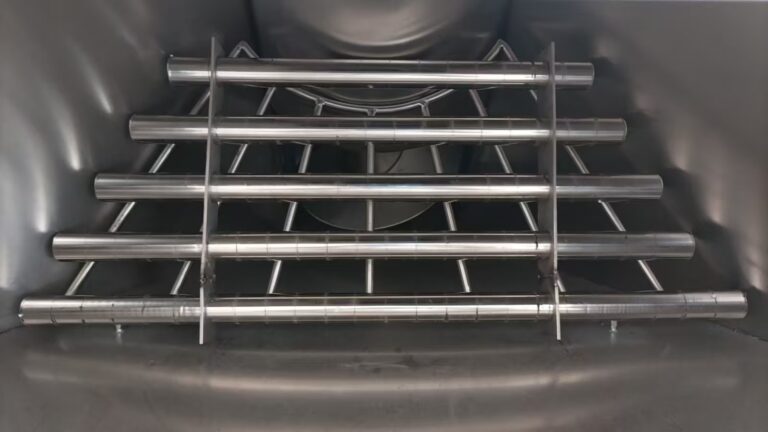
  • Permanent magnet screen for metal separation High-intensity rare-earth permanent magnetic grate installed at the feed inlet to capture tramp ferrous particles and protect downstream equipment. A 12,000 Gauss strength screen is usually sufficient for daily filtration needs.

Not included

  • Foundation work and floor anchor fasteners Civil concrete works, floor leveling, and foundation bolts on the customer site.
  • External power wiring and pneumatic supply lines Primary power wiring to the machine isolator switch and compressed air piping up to the pneumatic valve inlet.
  • Upstream conveying and downstream packaging equipment External vacuum loaders, bag dump elevators, bulk bag unloaders, and packaging bag sealers unless explicitly quoted as a turnkey package.
  • Central dust collection ductwork Factory dust extraction manifolds and piping beyond the mixer top breather/exhaust flange.

Installation planning

Utilities, interfaces and site readiness

These are the connections the machine and the line around it have to agree on before the layout is fixed.

Utility requirements

Power supply
380 V / 415 V / 460 V / 220 V (customizable), 50/60 Hz, 3-phase AC.
Water
Not required for standard dry blending.
Exhaust and ventilation
Equipped with top breather filter cap; connection to plant dust extraction system (DN100–DN150) recommended when handling dusty regrind or light powders.
Other notes
Power ratings scale with batch volume (e.g., 3 kW to 18.5 kW). Upstream conveyors and downstream packaging equipment require independent utility connections.

Interface requirements

Mechanical: Anchor baseplates bolted to concrete foundation floor; standard top round flanged inlet (DN150–DN250) for pneumatic cyclone receiver or screw conveyor, and bottom discharge slide gate / flanged adapter (DN150–DN200) matching pneumatic pick-up boxes or manual bagging chutes.

Electrical & Automation: Three-phase main power supply connection to the machine control cabinet. Terminal strip provides dry contacts for Run, Stopped, Timer Done, and Safety Interlock Tripped status, supporting automated handshake with upstream feeding conveyors and downstream bagging scales.

What the customer prepares on site

The buyer is responsible for preparing a level, vibration-damped reinforced concrete foundation slab capable of carrying the fully loaded mixer weight (including material and dynamic operating torque), verifying overhead roof clearance against overall machine height with inspection cover open, and supplying electrical mains cable to the mixer control panel isolator switch. Upstream material charging chutes and downstream pneumatic pick-up boxes or packaging platforms are coordinated to agreed centerline dimensions.

Spare parts

Wear parts and recommended spares

The parts that wear in normal service, and the spares worth keeping on site. How often a part is replaced depends on the material and the duty the machine runs, so the basis is confirmed for each machine.

Recommended spares

Inlet Permanent Magnetic Grate Screen (≥ 12,000 Gauss)

Inspect and wipe clean before each batch or per shift; test surface flux intensity annually with a calibrated Gauss meter; replace magnetic tube assembly if surface field drops below 10,000 Gauss or tubes suffer mechanical puncture.

Installed at the manual feed hopper or forced feed port. Composed of high-intensity NdFeB rare-earth magnetic tubes in 304/316 stainless steel housing. Captures fine tramp ferrous particles, wire fragments, and machining debris to prevent screw seizure and barrel scoring. Recommend keeping a spare clean grate for zero-downtime rotation.

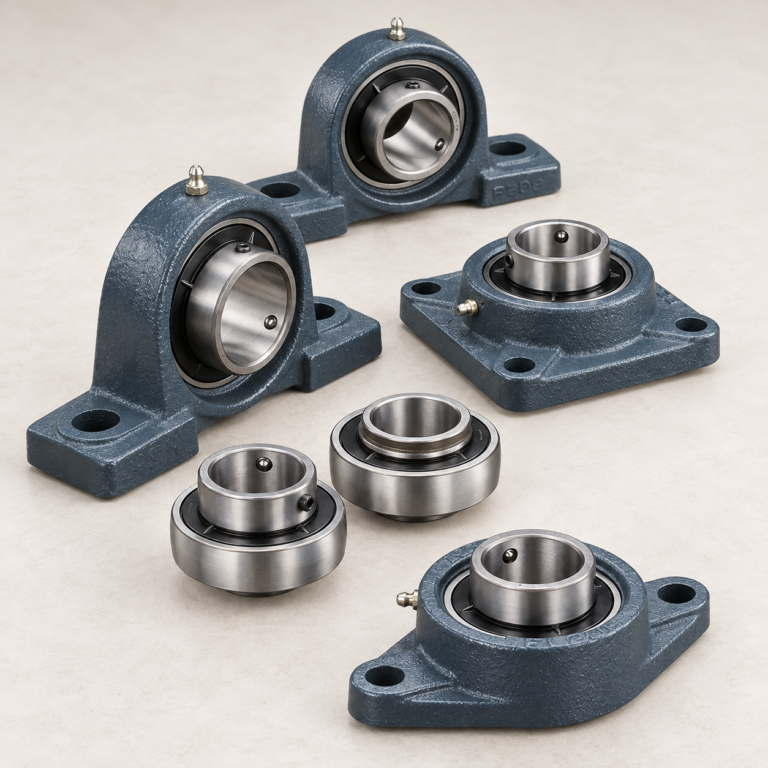
Center Screw Heavy-Duty Bearings

Relubricate per maintenance schedule with high-temp synthetic EP grease; monitor bearing temperature and vibration during monthly rounds; replace if abnormal noise, excessive radial play (> 0.15 mm), or spalling occurs.

Premium brand (NSK or SKF) precision spherical roller / deep groove ball bearings supporting the vertical center screw suspension and drive head. High dynamic load ratings and precision metallurgy ensure smooth, continuous screw rotation under full-capacity bulk powder or pellet batch loading. Keep one spare bearing set in clean factory packaging on site.

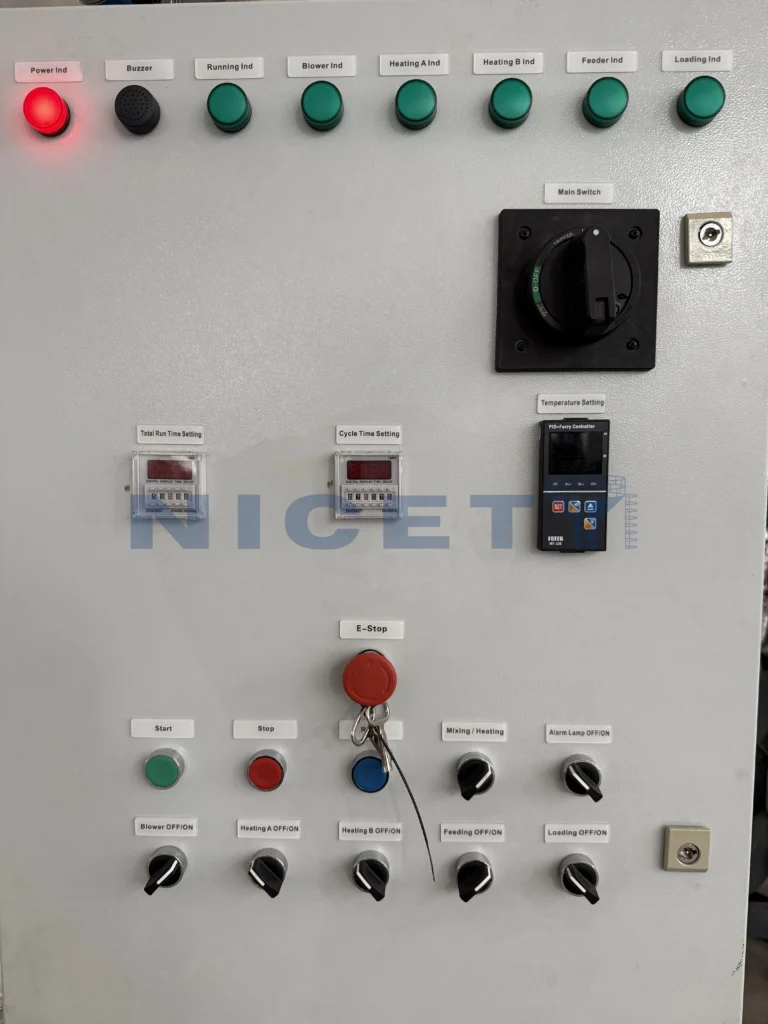
Control & Heating Electrical Spares Kit (Temperature Controller, Thermocouple & Contactor)

Inspect electrical cabinet wiring and contactor contacts every 6 months; replace thermocouple probe if temperature readings drift (> ±3°C) or signal is lost; replace contactors upon contact pitting or chattering.

Critical electrical control spares for standard and drying-equipped mixer configurations. Includes digital PID temperature controller, armored PT100/K-type thermocouple probe, heating contactor/SSR, and motor thermal overload relay. Ensures rapid restoration of mixing automation and heating functions without line stoppage.

Wear parts

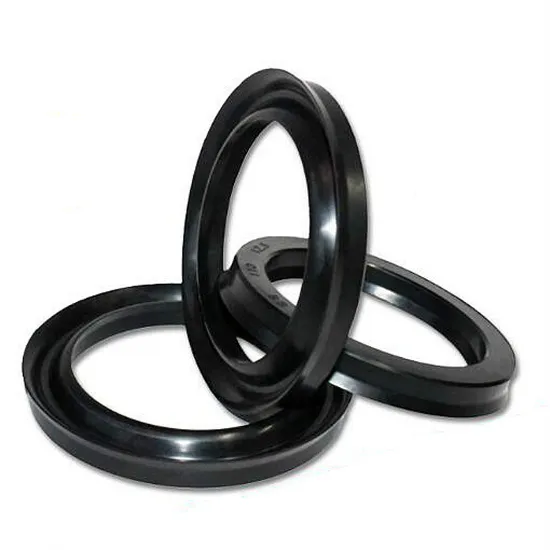
Center Screw Shaft Oil Seal and Dust Lip Ring

Inspect the seal lip and its shaft seat at every six-month service, and again whenever grease weepage or powder ingress shows around the drive head; renew the seal whenever the lip is hardened, cut or weeping, and always when the bearings are replaced.

Oil-resistant rotary lip seal locating the center screw shaft where it leaves the drive head bearing housing. It retains the high-temperature EP grease in the bearing cavity and keeps pellet dust and regrind powder out, so a hardened or scored seal is the usual first cause of bearing failure. Order by machine model and serial number.

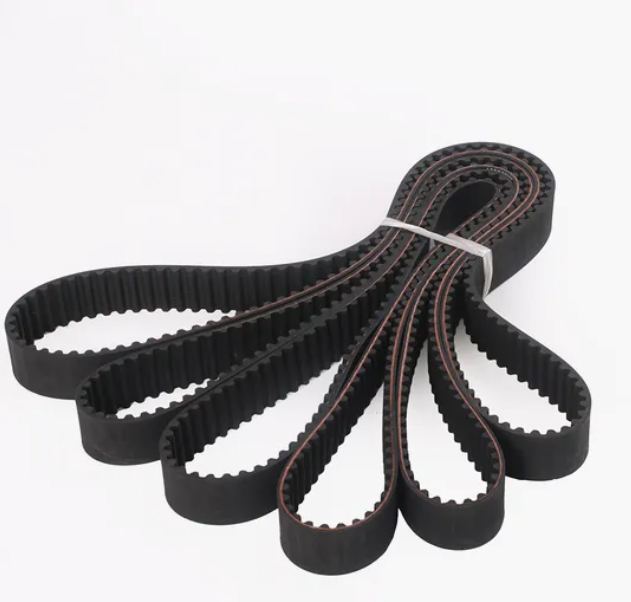
V-Belts and Motor Drive Sheaves

On belt-driven units check belt tension and sheave alignment monthly and re-tension after the first days of running-in; replace the complete matched set if belts show glazing, fraying, cracking or slip under load, and never mix new belts with run-in ones in the same drive.

Heavy-duty V-belt transmission between the base drive motor and the vertical screw, offered as the alternative to the direct gear-motor drive. The screw starts every batch under load, so worn belts show first as slip noise and slower screw acceleration, and one failed belt quickly takes the set with it. Order as one matched set with the sheaves by machine model and serial number.

Blades, screens and other normal consumables are outside the standard warranty. How a spare part is identified and ordered is set out under Warranty & Spare Parts.

Selection

How to choose a model

Work through what you already know. The rest is settled in the conversation, not before the first message.

When selecting a Vertical Mixer Machine, consider the following engineering parameters:

  • Determine Batch Mass vs. Working Volume: Calculate machine size using bulk density: Tank Volume (L) = [Target Batch Weight (kg) / Bulk Density (kg/L)] / 0.80. Always maintain an 80% maximum fill level to ensure proper parabolic circulation off the top umbrella.
  • Evaluate Headroom vs. Capacity: Vertical mixers gain volume by increasing vertical height. For large capacities (3T to 10T), verify that overhead crane clearance, ceiling height, and charging conveyor angles conform to factory layout restrictions.
  • Assess Material Morphology: For standard virgin pellets and clean regrind, the standard vertical screw operates with maximum energy efficiency. If recipes contain soft elastomers (TPE/TPU) or high powder ratios (> 15%), specify a horizontal ribbon mixer rather than a vertical unit to prevent sticking and stratification.
  • Discharge Configuration: Choose a manual slide gate for intermittent manual bagging; select an automated pneumatic slide gate or rotary valve for continuous, integrated compounding line feeding.

Information we need from you

  1. 01 Material types and formulation blend ratio Specific resin types (virgin pellets, recycled regrind, flake, additive masterbatches, color masterbatches) and mass percentage of each ingredient.
  2. 02 Bulk density and physical morphology Bulk density (kg/L or g/cm³) and physical particle shape/dimensions (pellet cut, regrind flake size) to verify lifting torque, screw pitch suitability, and volume filling level.
  3. 03 Target batch weight and cycle frequency Required batch mass (e.g., 1 ton, 2 tons, 5 tons) and desired cycle time / batches per 8-hour shift to size the mixer body and discharge valve speed.
  4. 04 Plant headroom and footprint limits Clear vertical ceiling height, crane/hoist hook clearance, floor bearing capacity, and planned charging method (bottom dump hopper, pneumatic receiver, or vertical screw conveyor).
  5. 05 Electrical power supply specifications Local plant three-phase operating voltage, line frequency (50 Hz or 60 Hz), and site grounding standards.

Request a Quote A model name, a material or a drawing is enough to start.

Photos and videos

The machine itself

Videos

Next step

Request a Quote

Tell us the material, the process and what you need to achieve. Technical details can be completed later together with our sales team.

Request a Quote
Request a Quote