_画板-1的副本-300x300.png)
Solución
Post-Consumer Film & Woven Bag Recycling, Compounding, and VOC Deodorization Line
Integrated film shreddin…
Application
Agricultural film and woven bag recycling application profile, detailing shredding, force-feed degassing extrusion, water-ring pelletizing, and VOC fume abatement for printed PCR film scrap.

This industrial application profile focuses on post-consumer plastic film and bag recycling plants recovering highly flexible, printed, and low-bulk-density film scrap. It covers agricultural greenhouse films, ground mulch films, stretch wrap (LLDPE/LDPE), shopping bags, and woven polypropylene (PP) raffia sacks.
Film recycling operators face unique operational obstacles: first, loose film flakes have an extremely low bulk density (0.05–0.12 kg/L) and high surface area, causing severe bridging, fluff floatation, and feed-throat starvation in traditional extrusion hoppers. Second, agricultural and packaging films carry residual moisture, aggressive printing inks, laminating adhesives, and organic residues. When heated inside the extruder barrel, these decompose into foul-smelling volatile organic compounds (VOCs), acidic vapors, and pyrolytic greasy smoke, causing porous pellets and triggering plant environmental shutdown orders. This application integrates heavy-duty shredding/crushing, force-feed single/twin-screw extrusion with multi-vent vacuum devolatilization, continuous non-stop melt filtration, water-ring die-face pelletizing, and an engineered multi-stage VOC deodorization system to produce premium, odorless recycled polyolefin pellets.
The scenario
Commercial plastic recyclers, post-consumer agricultural waste recovery facilities, and flexible packaging recycling enterprises processing printed polyethylene and polypropylene film waste.
Clean, dense, odorless recycled polyolefin pellets (LLDPE / LDPE / PP) packed in 25 kg bags or bulk big bags, certified for direct blown-film extrusion, geomembrane production, or pipe manufacturing.
Eliminate feed bridging, moisture blisters, and workshop VOC emissions, transforming low-density contaminated film scrap into high-purity, odorless, dense recycled pellets.
Material
The properties named here are the ones the equipment questions turn on — they are confirmed per project, from samples where it matters.
Flexible post-consumer polyolefin films: agricultural mulch film, greenhouse film, stretch film, shrink wrap, and woven PP raffia bags. Shredded film strips (30–60 mm), residual moisture ≤ 4.0%, free of heavy stones or steel baling wire.

Process
The flow is the usual shape of the scenario; the machines for each step are chosen per project — see the solutions below.

Raw Material Preparation
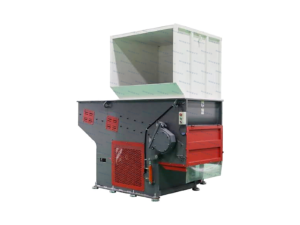
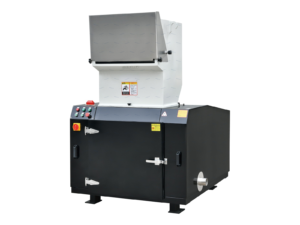
Shreds tangled film bales and woven sacks into uniform strips and extracts magnetic tramp metal.
Extrusion and Melt Processing
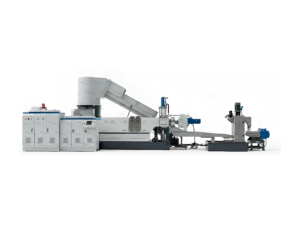
Compacts fluffy film into screw flights, melts polymer, draws off volatile inks and moisture under high vacuum, and continuously filters impurities.
Pelletizing
Pelletizes molten plastic directly at the die face with water-ring cooling and expels surface water through high-speed centrifugal drying.
Post-Pellet Treatment
Captures oily smoke and acrid solvent vapors from extruder vents, eliminating VOCs and odors via electrostatic precipitation and carbon chemisorption.
Requirements
1. Compacting & Continuous Forced Infeed: Low-density film strips require mechanical force-feeding via vertical crammer feeders or side-stuffers to continuously densify and drive flakes into the screw flights without bridging.
2. Multi-Vent Degassing for Ink/Moisture Removal: Two or three high-vacuum degassing ports operated at -0.095 MPa pull volatile inks, decomposition gases, and residual water out of the molten polymer.
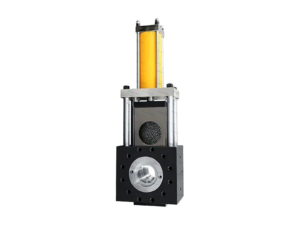
3. Non-Stop Melt Screen Filtration: Continuous hydraulic dual-piston screen changers allow dirty filter screens to be indexed and replaced without stopping the extruder or creating line backpressure spikes.
4. Engineered VOC Capture & Photo-Catalytic Treatment: Negative-pressure collection hoods over extruder vacuum vents and die faces route acrid smoke through electrostatic precipitators, activated carbon beds, and UV photolysis, discharging compliant, odorless exhaust.
Pellet Solid Density: Bulk density ≥ 0.52 kg/L with zero internal gas bubbles or sponginess.
Odor & Volatiles: No persistent ink or burnt plastic odor; VOC content ≤ 50 ppm on pellet headspace analysis.
Air Quality Compliance: Factory stack emissions pass municipal environmental limits (NMHC ≤ 20 mg/m³, odor units ≤ 30 OU).
Selection
These are the questions a quotation is built from — answering them up front shortens the first round.
Fit
The boundaries are part of the scenario: they keep equipment from being quoted into a case it cannot serve.
Best fit for plastic film and bag recycling operations processing washed agricultural mulch films, greenhouse films, printed stretch wraps, and woven PP raffia bags with production rates from 400 kg/h to 1,500 kg/h, where low bulk density and pungent extrusion fumes are primary operational constraints.
Requires assessment when processing heavily metallized film laminates (BOPP/VM-PET) or multilayer barrier films (PE/EVOH/PA), where specialized compatibilizers and high-pressure backflush screen changers are mandatory to prevent unmolten specks.
Not suitable for unwashed film bales containing over 10% dried mud, gravel, or organic agricultural compost without an upstream sorting and wet wash-plant installation.
Variants
A variant is written down only where the process and the decision actually differ.
Agricultural polyethylene film scrap (LDPE/LLDPE mulch and greenhouse films) with high residual surface dirt and pesticide odors.
Integrates a vertical force-feeder/cutter compactor and dual deep-bed activated carbon adsorption with electrostatic precipitation for heavy oil-mist removal.
Dense, odorless recycled PE pellets (MFI 0.5–1.5 g/10 min) suitable for agricultural irrigation pipe extrusion or heavy-duty garbage bags.
Polypropylene woven bags, jumbo ton bags (FIBC), and cement sacks with heavy printing and mineral calcium carbonate fillers.
Requires heavy twin-shaft shredder, aggressive vacuum venting to remove printing ink volatiles, and fine mesh filtration (100–120 mesh).
Recycled PP pellets with MFI 12–25 g/10 min and high tensile modulus for re-weaving raffia tapes or injection-molding shipping pallets.
Photos
Photos go here once real views of this scenario are cleared to publish.


Before an inquiry
Request a Quote Send these points with your inquiry; the scenario can then be quoted against your line, not against an assumption.
Where to go next
Solución
Integrated film shreddin…
Solución
Integrated post-pelletiz…
Indíquenos el material, el proceso y el resultado que necesita lograr. Los detalles técnicos se pueden completar más adelante junto con nuestro equipo de ventas.