_画板-1的副本-300x300.png)
Solución
Closed-Loop Underwater Pelletizing and Chilled-Water System for Thermoplastic Elastomers
Closed-loop underwater p…
Application
High-oil extended SEBS / TPE compounding profile detailing multi-point liquid injection, twin-screw compounding, submerged underwater pelletizing, and chilled-water dewatering.

This industrial application profile outlines the multi-stage liquid oil injection, high-shear twin-screw compounding, and closed-loop underwater pelletizing architecture engineered specifically for thermoplastic elastomer compounders manufacturing soft-touch SEBS, SBS, and TPE compounds (hardness range Shore 15A to 75A). Target applications include automotive soft-grip interior handles, sealing gaskets, toothbrush grips, power tool overmoldings, ergonomic consumer goods, and medical syringe plungers.
Formulating and compounding oil-extended SEBS/TPEs presents severe manufacturing bottlenecks: first, incorporating 30% to 60% paraffinic white mineral oil into high-molecular-weight SEBS polymer crumb requires precise absorption kinetics; improper liquid dosing leads to oil puddling, barrel slippage, screw surge, and inconsistent compound hardness. Second, soft-grade TPE melt exhibits virtually zero melt strength and extreme surface tackiness upon exiting the die plate. Conventional water-bath strand cutting is impossible because strands sag, neck down, and wrap around pull rollers. Standard water-ring pelletizers instantly fail due to die-face smearing, blade clogging, and polymer accumulation inside the cutter shroud. This specialized application integrates automated loss-in-weight feeding, high-pressure multi-stage liquid oil injection, a co-rotating twin-screw extruder with deep devolatilization, an insulated underwater pelletizer with pneumatic dynamic blade adjustment, an industrial chiller delivering 8°C to 12°C process water, and a high-g centrifugal dehydrator, producing non-sticking, free-flowing spherical elastomer pellets.
The scenario
Thermoplastic elastomer compounders, synthetic rubber processors, footwear component manufacturers, and consumer goods suppliers producing soft-touch TPE/TPR pellets.
Dry, free-flowing, non-sticking spherical TPE pellets packaged in 25 kg poly-lined bags or lined cardboard octabins, certified for direct two-shot overmolding, extrusion profiling, and medical injection molding.
Achieve continuous, stable compounding and pelletizing of oil-extended soft-touch TPE with zero liquid oil bleeding, zero die-face agglomerations, and bone-dry, non-sticking spherical pellets.
Material
The properties named here are the ones the equipment questions turn on — they are confirmed per project, from samples where it matters.
Thermoplastic elastomer raw ingredients: high-molecular-weight SEBS / SBS crumb or dense powder, polypropylene (PP) copolymer pellets, pure paraffinic / naphthenic white mineral oil (viscosity 15# to 68#), calcium carbonate filler, antioxidant packages (1010/168), and coupling agents.

Process
The flow is the usual shape of the scenario; the machines for each step are chosen per project — see the solutions below.

Feeding and Material Transfer
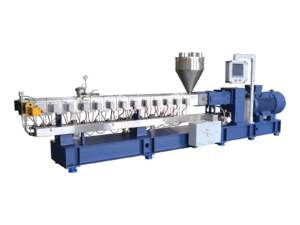
Loss-in-weight feeders meter SEBS crumb, PP pellets, and mineral fillers into the twin-screw extruder main feed throat.
Compounding
Plastifies base polymer; multi-stage high-pressure metering pumps inject heated white oil into downstream melt zones for complete absorption.
Extrusion and Melt Processing
Draws off entrapped air, moisture, and light hydrocarbon volatiles under high vacuum (-0.095 MPa).
Pelletizing
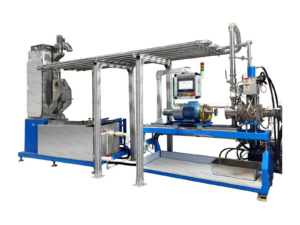
Delivers molten elastomer through an insulated circular die plate into an enclosed water cutting chamber, sheared instantly by rotating carbide blades.
Cooling
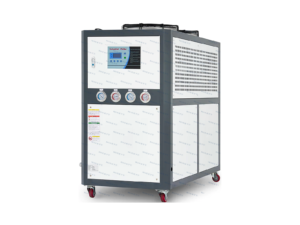
Closed-loop 10°C chilled water stream rapidly quenches soft droplets into solid beads and flushes them to the dewatering section.
Post-Pellet Treatment
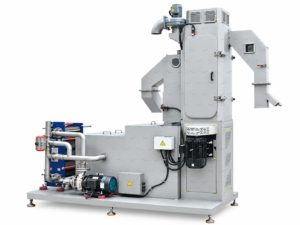
Centrifugal rotor expels water through a fine slotted screen basket; dried pellets pass over an enclosed dedusting screen directly to packaging.
Requirements
1. Multi-Stage Pressurized Liquid Injection: High-precision gear metering pumps inject heated white oil (50°C–60°C) into multiple barrel ports downstream of polymer melting, allowing gradual and complete swelling into the SEBS elastomeric block matrix without screw pooling.
2. Gentle Dispersive Compounding & High-Vacuum Degassing: Long L/D extruder screw (48:1 to 52:1) incorporates specialized kneading and distributive mixing blocks, while dual-vent vacuum degassing (-0.095 MPa) strips trapped air, moisture, and light oil fractions.
3. Thermally Insulated Underwater Die Plate: Die plate features electric cartridge heaters and ceramic/air insulation cavities, preventing the 10°C process water from freezing the melt orifices while rotating carbide blades ensure clean micro-pellet cuts.
4. Industrial Chilled Water Temperature Control: High-capacity industrial chiller circulates 8°C to 12°C water at high flow velocity, instantly freezing tacky droplets into non-sticking solid spheres.
Oil Bleeding & Tackiness: Zero liquid oil sweating or exudation after 72-hour oven aging at 60°C.
Pellet Morphology: Spherical or ellipsoidal pellets (Ø2.0–2.8 mm); 100% free of fused pairs, triplets, or hollow beads.
Residual Moisture: Surface moisture strictly ≤ 0.05% (500 ppm) upon discharge from the centrifugal dewatering machine.
Selection
These are the questions a quotation is built from — answering them up front shortens the first round.
Fit
The boundaries are part of the scenario: they keep equipment from being quoted into a case it cannot serve.
Best fit for thermoplastic elastomer compounding facilities producing oil-extended SEBS, SBS, and TPE/PP compounds with Shore hardness from Shore 15A to 75A for consumer overmolding (PP/ABS bonding), automotive interior skins, tool grips, and medical seals, where low melt strength and extreme surface tackiness make strand cutting impossible.
Requires assessment when processing ultra-soft “super-gel” TPEs (Shore 00 to Shore 10A) with oil loadings exceeding 65%, where chilled anti-stick water bath treatments, lower water temperatures (5°C–8°C), and inline liquid anti-blocking dosing are mandatory to prevent post-dewatering pellet caking.
Not suitable for chemically crosslinked vulcanized rubbers (cured EPDM/butyl rubber) or high-temperature engineering plastics with processing temperatures exceeding 300°C.
Variants
A variant is written down only where the process and the decision actually differ.
SEBS/PP formulations with 30% to 50% technical white oil for 2-shot injection overmolding onto polypropylene (PP) substrates (tool handles, toothbrush grips).
Requires multi-stage liquid oil injection skids at barrel zones 4 and 6, and chilled cutting water maintained at 10°C–14°C to lock oil into elastomer domains.
Velvety soft-touch pellets with dry, non-oily surface, zero oil migration, and exceptional cohesive bonding to PP (> 4.5 N/mm peel strength).
Medical-grade SEBS/PP formulations with non-toxic medicinal white oil for syringe stopper gaskets, IV tube connectors, and peristaltic pump tubing.
Requires electropolished SUS316 contact surfaces, oil mist devolatilization condensers, and pharmaceutical white oil metering.
High-purity, cytotoxic-free translucent pellets meeting USP Class VI and ISO 10993 biocompatibility requirements.
Photos
Photos go here once real views of this scenario are cleared to publish.


Before an inquiry
Request a Quote Send these points with your inquiry; the scenario can then be quoted against your line, not against an assumption.
Where to go next
Solución
Closed-loop underwater p…
Solución
Integrated post-pelletiz…
Indíquenos el material, el proceso y el resultado que necesita lograr. Los detalles técnicos se pueden completar más adelante junto con nuestro equipo de ventas.